In a world shattered by war, plague, and environmental collapse, The Postman begins with a nameless drifter (often called “Gordon” or simply the Postman) wandering across the remains of the American West, performing Shakespearean plays in exchange for food and shelter. Civilization has collapsed; technology is gone; small isolated communities are all that remains. The drifter has no home, no identity, only survival and a longing for something more.
One day, after escaping capture by the brutal Holnists—a militia led by the ruthless General Bethlehem—the drifter stumbles into a derelict postal vehicle. He finds old mail, a postal uniform, and a mailbag, and in desperation adopts the identity of a postman from a “Restored United States.” He uses the uniform and letters to gain trust in one settlement after another. He does not begin with the intention to lie or lead, but simply to survive and to bring some semblance of order and hope.

As he delivers letters (many long-undelivered), he discovers how powerful symbols and small gestures can be in this new world. The idea of a postal service—of connection between people—is revolutionary. In the town of Pineview, he meets Ford Lincoln Mercury, a young man inspired to join and build something larger, and Abby, a woman whose husband is sterile, who asks the Postman to help conceive a child. These personal stories show how human longing—love, legacy, continuity of family—becomes entwined in the broader hope for societal renewal.
General Bethlehem sees in the Postman, however unintended, a fundamental threat. If people believe a government might be returning, that belief weakens his hold. Bethlehem attacks settlements, burns the post office, kills Abby’s husband, abducts Abby. Forced into hiding, wounded and cold, the Postman and Abby endure a harsh winter together, symbolizing both the human cost and the resilience required to keep hope alive.
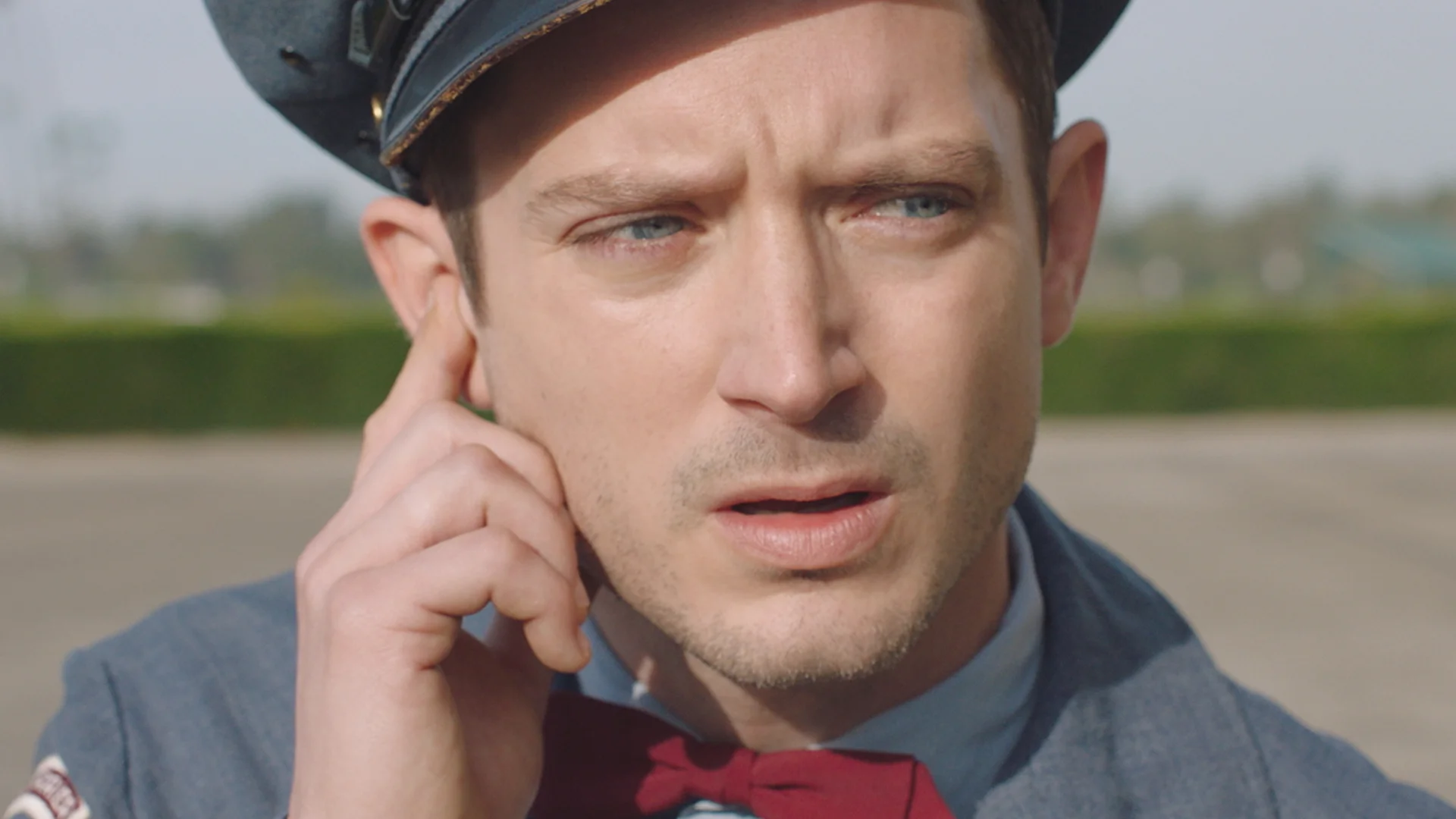
In spring, fresh alliances and networks of postal carriers—sparked by Ford Mercury’s growing organization—emerge. Communications between towns, mail routes, and the distribution of letters become tools of resistance. The Postman must reconcile with being more than a wanderer in disguise: he becomes a leader, however reluctant. The fight with Bethlehem culminates in a confrontation, not just of armies, but of ideas: control vs. community; fear vs. trust.
Ultimately, The Postman shows that rebuilding society depends not only on physical survival but on restoring belief, culture, and connection. Through acting, letters, symbols, and people helping people, the film argues that hope can be a revolutionary force. Even when leadership is born out of accident, the values a leader embodies—courage, compassion, trust—can transform lives. While rugged and often brutal, the journey of the Postman is one toward healing: for individuals, communities, and the idea of what it means to be human after collapse.