It was a detail so small, yet so deafening, that it could not be ignored. The empty seat.
As mourners filled the chapel to honor the life of Charlie Kirk, America’s youngest political firebrand whose voice had shaped a generation, all eyes eventually drifted to the front row. His father was there, shoulders shaking under the weight of grief. His wife sat stoically beside him, clutching tissues that could never absorb enough sorrow. Friends, colleagues, and dignitaries all gathered in solidarity.
But one presence was missing.
His mother.
Her absence struck like a thunderclap in a room already drowning in silence. Whispers began to stir. Faces turned to one another, quietly, respectfully, but with undeniable confusion.
Where was she? How could a mother not be at her son’s funeral?
The questions were too heavy to ask aloud. Yet the empty chair spoke louder than any sermon delivered that day.
The Whispers That Wouldn’t Rest
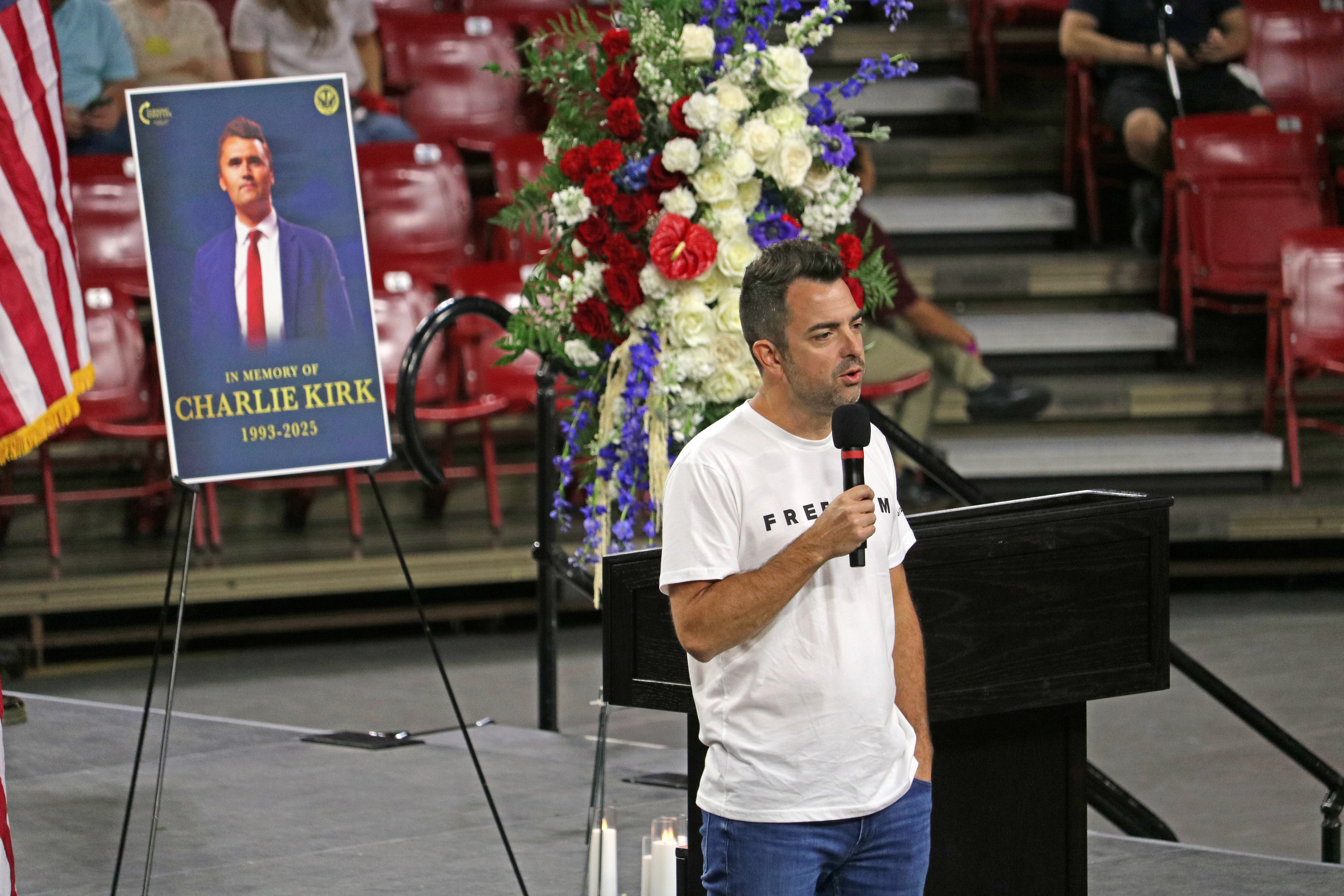
In the days following the service, speculation exploded. Some wondered if estrangement had fractured the family long ago. Others assumed illness or distance had kept her away. But as social media filled with photographs of the funeral, one detail dominated every comment thread, every news cycle, every coffee-table conversation:
Why wasn’t Charlie Kirk’s mother there?
To lose a child is already a grief beyond words. For a parent not to be present at their child’s final farewell—surely, people thought, there had to be a reason so unbearable it defied explanation.
And there was.
The Shattering Truth
Weeks later, the truth came to light. It was not neglect. It was not bitterness. It was not indifference.
It was heartbreak.
Charlie Kirk’s mother had been hospitalized in critical condition only hours before the service. She had begged her doctors, pleaded even, to let her attend. She wanted nothing more than to stand at her son’s grave, to whisper a final goodbye into the silence of the earth. But her body betrayed her. The very act of leaving that hospital room could have cost her life.
So she stayed. Trapped not by choice, but by circumstance.
In her stead, that empty chair became her presence. Every tear shed by the congregation seemed to carry her grief. Every whispered prayer seemed to speak her words. And when the final hymn echoed through the rafters, the nation wept not just for Charlie—but for the unbearable pain of a mother who could not be there.
Love That Endures Absence
For those who have lived long enough to know the cruelty of fate, the story struck home. Parents whispered it to their grown children with trembling voices. Mothers clutched their sons and daughters tighter, imagining the horror of being denied a last embrace. Fathers nodded silently, understanding that sometimes the hardest part of love is the distance it forces upon us.
In that empty seat, every parent saw themselves. They saw the fragility of life. They saw the cruel possibility of being unable to walk alongside their child into the final chapter. And in that recognition, tears fell across the nation.
A Nation in Mourning

News outlets replayed the story, but what resonated most were not the headlines—it was the humanity. Letters flooded in to the family, not with judgment but with compassion. Strangers wrote messages of solidarity to Charlie’s mother, assuring her that her absence was, in truth, its own testimony of love.
Because sometimes love is not in where we stand, but in how deeply we ache when we cannot.
The Empty Chair That Spoke Volumes
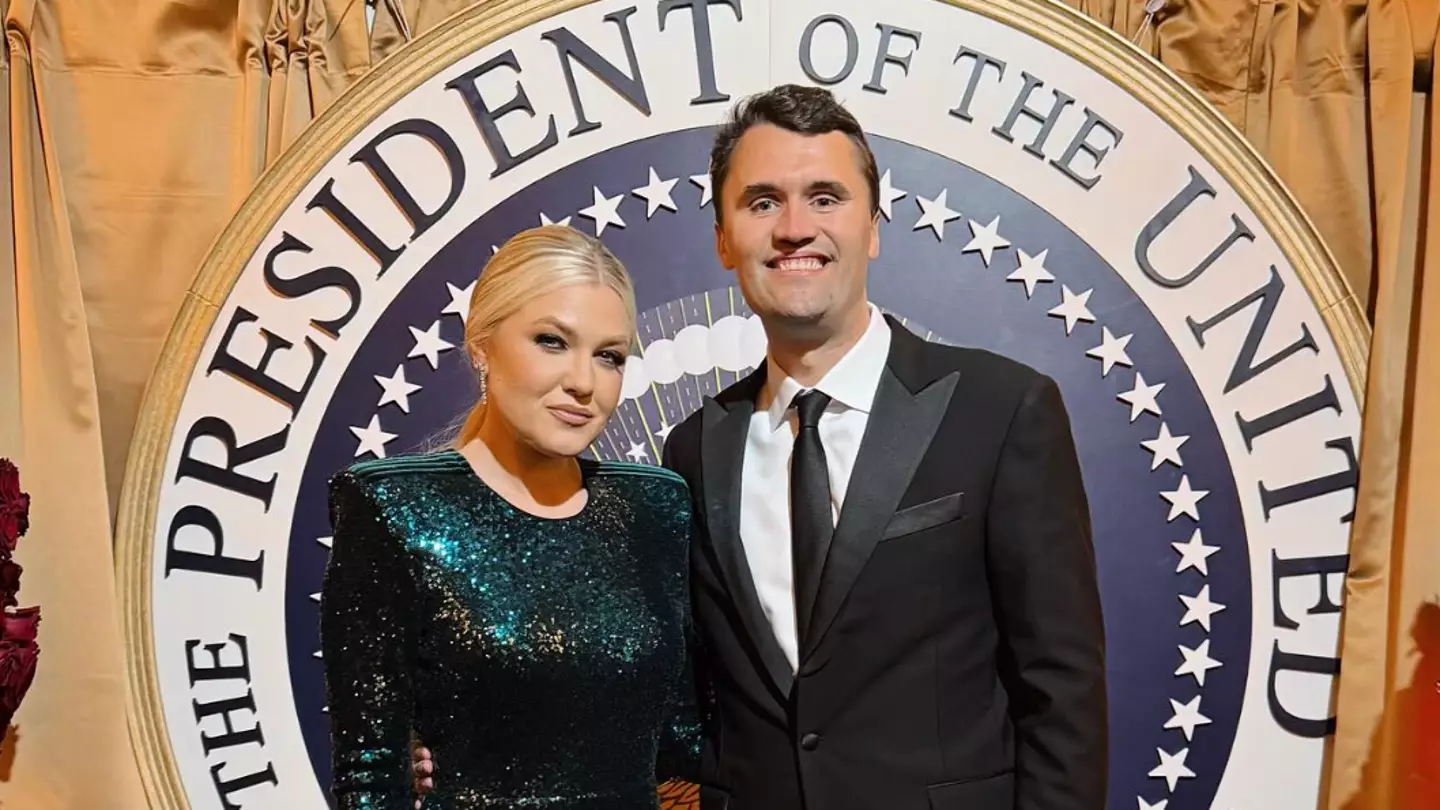
As the weeks passed, one image endured: that vacant chair in the front row. It became a symbol—not of absence, but of presence too powerful to be contained. A presence of love, of sacrifice, of unbearable loss.
In the end, the story wasn’t about a missing mother. It was about the weight of a bond that even death, distance, or illness could never sever.
Her absence became her presence. Her silence became her cry. Her unseen tears became the tears of a nation.
And in that moment, millions across America and Britain found themselves weeping—not just for Charlie Kirk, but for the universal truth his funeral revealed:
That there is no pain greater, no absence heavier, than that of a mother who longs to be at her child’s side, yet cannot.
The Dress That Made People Faint: Princess Diana’s Most Electrifying Fashion Moment
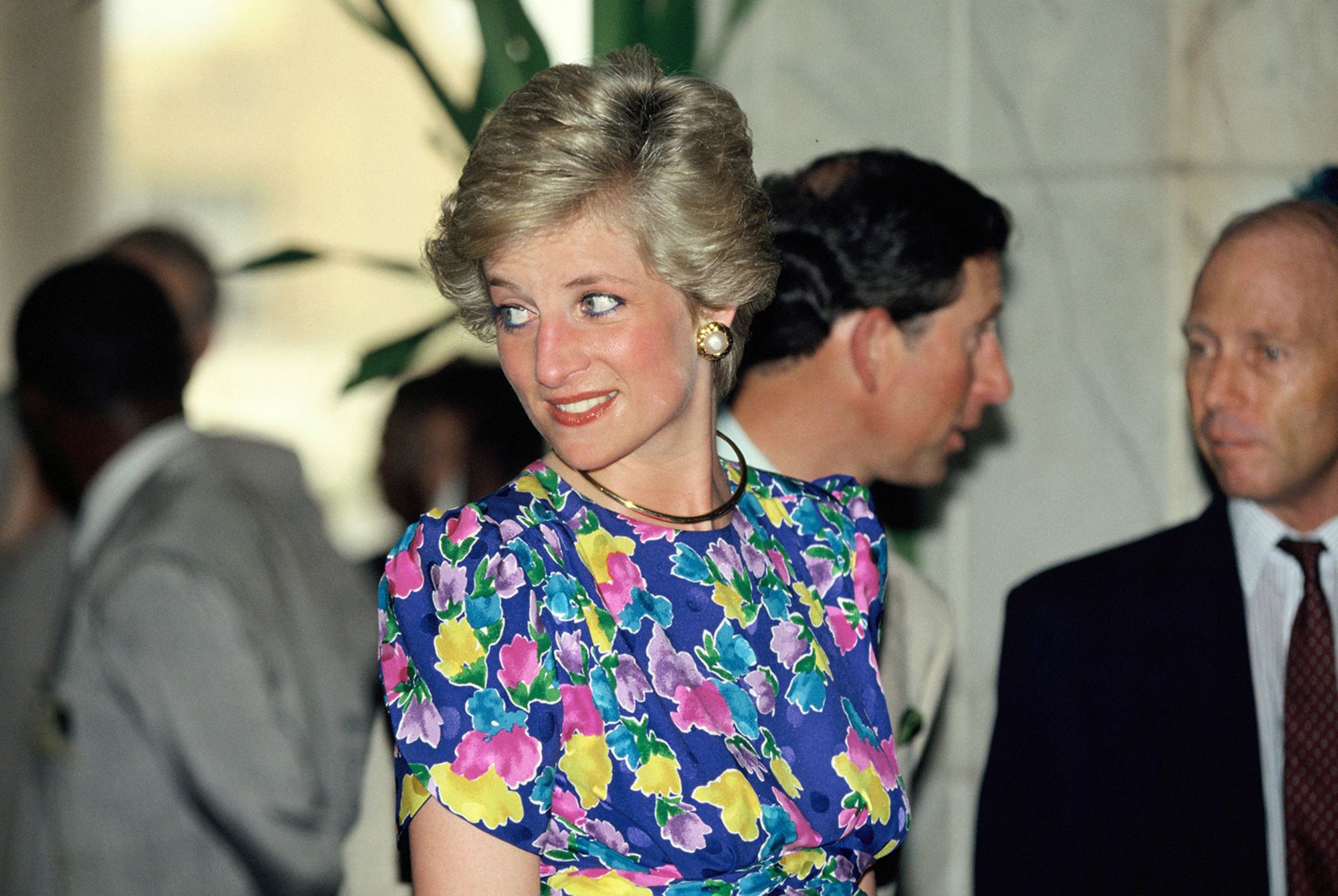
The Dress That Made People Faint: Princess Diana’s Most Electrifying Fashion Moment