-Hobbs & Shaw 2: Cybernetic Carnage (2026) Expands the Action Formula With Cyber Threats and a Stronger Ensemble
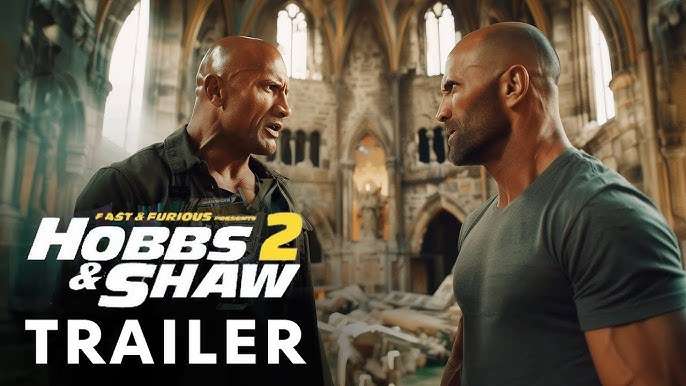
Hobbs & Shaw 2: Cybernetic Carnage (2026) builds on the action-comedy formula established by its predecessor, introducing a new mission centered on cyber-enhanced adversaries and an expanded team of operatives. The story places greater emphasis on Hattie and Madame M while reuniting Luke Hobbs and Deckard Shaw for another globe-spanning operation that blends high-speed pursuits, espionage, and large-scale action.
With cybernetic technology becoming the latest battlefield, the sequel shifts beyond traditional criminal organizations to explore threats driven by advanced enhancements and digital warfare. The result is a premise that combines familiar franchise humor with futuristic action while maintaining the fast-paced style audiences associate with the series.

Key Developments: A New Generation of Enhanced Adversaries
The central conflict begins when a network of bio-hacked anarchists emerges as a global security threat. Enhanced through advanced cybernetic technology, these opponents possess increased physical capabilities and strategic intelligence, making conventional tactics increasingly ineffective.
To confront the growing danger, Luke Hobbs and Deckard Shaw reunite with trusted allies for an international operation that moves through underground racing circuits, urban battlegrounds, and covert intelligence networks.
This time, however, the spotlight extends beyond the franchise’s familiar partnership.
Hattie assumes a more prominent operational role, combining field experience with tactical precision during missions that require both combat expertise and quick decision-making. Alongside her, Madame M becomes another major force within the team, bringing extensive knowledge of global criminal organizations and intelligence operations.
The principal ensemble includes:
- Dwayne Johnson returning as Luke Hobbs, whose direct approach continues to anchor the team’s frontline operations.
- Jason Statham reprising the role of Deckard Shaw, balancing precision, experience, and dry humor.
- Vanessa Kirby as Hattie, taking on expanded leadership responsibilities during critical missions.
- Eiza González as Madame M, portrayed as a capable strategist with extensive international connections.
Together, the team faces an opponent that cannot simply be overpowered. Success depends on adaptability, coordination, and staying ahead of rapidly evolving technology.

Background & Context
The Hobbs & Shaw spin-off established itself by combining the large-scale action of the broader franchise with a lighter, character-driven dynamic built around contrasting personalities. Rather than abandoning that formula, Cybernetic Carnage appears to expand it through higher technological stakes and a broader ensemble.
The introduction of cybernetic enhancements reflects a growing trend within modern action cinema, where physical confrontations increasingly intersect with artificial intelligence, biotechnology, and digital infrastructure.
At the same time, the story retains familiar franchise elements including:
- International espionage.
- Elaborate vehicle sequences.
- Fast-paced comedic exchanges.
- Team-based missions requiring diverse skills.
This combination allows the sequel to evolve its fictional universe while remaining recognizable to audiences who enjoy large-scale action entertainment.

Analysis: Technology Raises the Stakes Without Replacing Character Dynamics
The premise suggests that the sequel’s greatest strength lies in balancing technological escalation with interpersonal relationships.
Cybernetic adversaries naturally increase the physical challenge facing the protagonists, but the emotional core continues to depend on cooperation among the central team. Rather than presenting technology as an end in itself, the story uses enhanced enemies to test leadership, trust, and adaptability.
The expanded roles for Hattie and Madame M also broaden the narrative perspective. Instead of relying exclusively on Hobbs and Shaw’s established partnership, the sequel introduces additional viewpoints capable of influencing both strategy and field operations.
Vehicle action remains another defining element. Underground racing environments, urban pursuits, and tactical driving sequences continue the franchise tradition of treating automobiles as essential components of combat rather than simple transportation.
One thoughtful observation summarizes the premise well: “Technology may change the battlefield, but teamwork remains the decisive advantage.”
That balance between evolving threats and familiar character chemistry gives the concept a foundation beyond visual spectacle alone.

What Works — And What Doesn’t
Based on the provided concept, several strengths stand out.
- A recognizable action-comedy formula enhanced by futuristic cyber threats.
- Expanded opportunities for supporting characters to influence the story.
- A combination of espionage, vehicle action, and large-scale combat.
- Distinctive international settings that support varied action sequences.
- The continued emphasis on teamwork rather than individual heroics.
Several areas would benefit from careful execution.
- The cybernetic technology should remain internally consistent rather than becoming an unlimited narrative device.
- The antagonists require clear motivations beyond their technological advantages.
- The increased ensemble should allow each major character meaningful development.
- Humor should complement dramatic tension without reducing the impact of serious moments.
If these elements remain balanced, the sequel could deliver both entertaining action and stronger character interactions.
Conclusion
Hobbs & Shaw 2: Cybernetic Carnage (2026) expands the franchise by introducing advanced technological threats while preserving the energetic action, humor, and teamwork that define its identity. Rather than relying solely on escalating explosions or larger action scenes, the premise places greater emphasis on collaboration among an increasingly capable ensemble.
The combination of cyber-enhanced adversaries, international espionage, elaborate vehicle sequences, and evolving character dynamics creates a story designed to appeal to fans of modern action cinema. By giving Hattie and Madame M larger roles alongside Hobbs and Shaw, the narrative broadens its perspective without losing sight of the franchise’s established strengths.
If successfully realized, Cybernetic Carnage could represent a natural evolution of the series, blending futuristic concepts with the high-energy entertainment audiences have come to expect.
Frequently Asked Questions
What is Hobbs & Shaw 2: Cybernetic Carnage about?
The story follows Hobbs, Shaw, Hattie, and Madame M as they confront a powerful organization of cyber-enhanced anarchists whose advanced technology threatens global security.
Who stars in Hobbs & Shaw 2: Cybernetic Carnage?
The featured cast includes Dwayne Johnson, Jason Statham, Vanessa Kirby, and Eiza González.
What genre is the film?
The concept combines action, espionage, comedy, science fiction, and high-speed automotive adventure.
What role do Hattie and Madame M play?
According to the premise, both characters take on expanded leadership roles, contributing tactical expertise, intelligence, and frontline combat skills throughout the mission.
What is the primary threat in the story?
The team faces bio-hacked cybernetic terrorists whose physical enhancements and advanced intelligence make them significantly more dangerous than conventional adversaries.
What distinguishes this sequel from previous entries?
The story introduces futuristic cybernetic technology, places greater emphasis on its supporting ensemble, and expands the action with international espionage, elaborate vehicle chases, and advanced technological conflicts.